
Partial Discharge Monitoring
Prevent Downtime. Extend Asset Life. Lower Risk
See Failure Before It Happens.
Partial Discharge Monitoring for Critical Electrical Assets
Partial discharge monitoring helps utilities, OEMs, EPCs, renewables, heavy industry, data centres, hospitals, manufacturers and asset owners detect insulation defects before they lead to failure.
For transformers, switchgear, GIS and cables, the PDM Alliance provides monitoring solutions that support safer operation, reduced downtime, informed maintenance decisions and longer asset life.
What is Partial Discharge Monitoring?
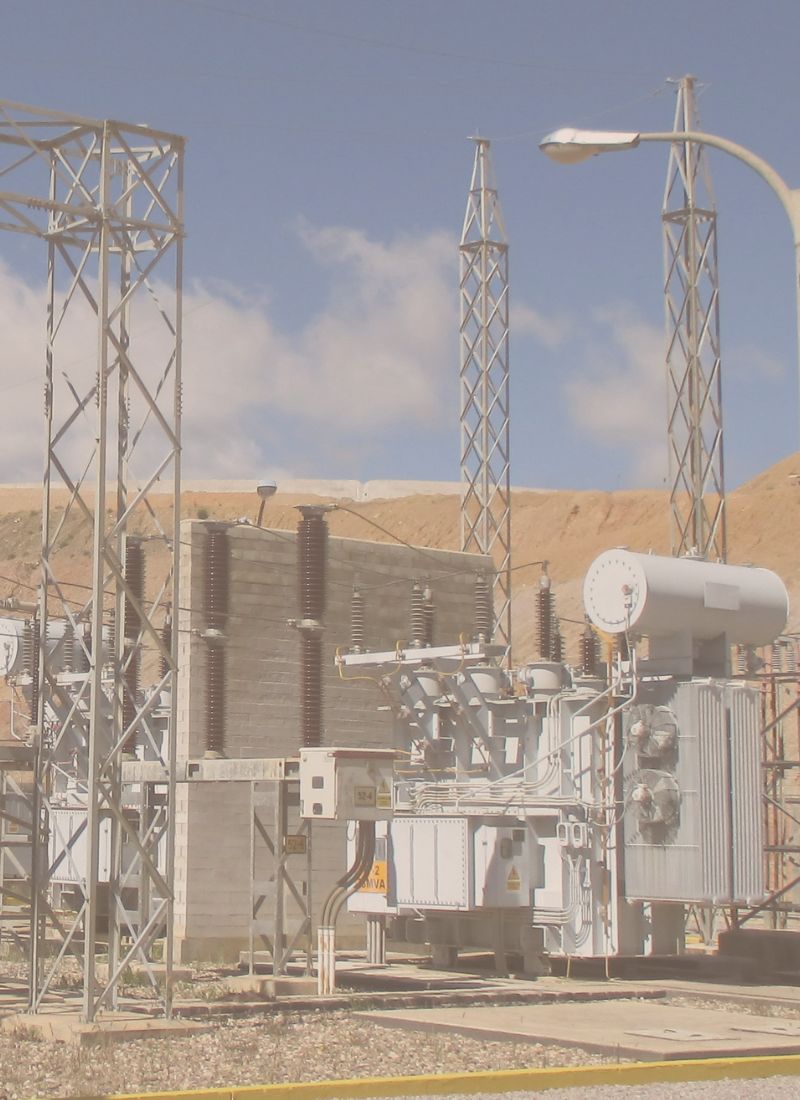
Partial discharge monitoring detects small electrical discharges within insulation systems before they develop into major faults. It provides early warning of insulation deterioration in HV equipment such as switchgear, transformers, GIS and cables.
Why Partial Discharge Monitoring Matters
Partial discharge activity can indicate developing defects that may lead to equipment failure, unplanned outages or safety risks. Monitoring helps asset owners identify problems early, plan maintenance and extend the life of critical electrical assets.
Online vs Offline Partial Discharge Testing
Online partial discharge testing is carried out while equipment remains in service, providing condition data without planned shutdowns. Offline testing is performed when equipment is isolated and can be useful for detailed investigation, commissioning or fault diagnosis.
Partial Discharge Monitoring for Switchgear
HV switchgear is a common source of partial discharge activity due to ageing insulation, contamination, poor connections or installation defects. Monitoring helps detect early warning signs before failures affect safety, reliability or continuity of supply.
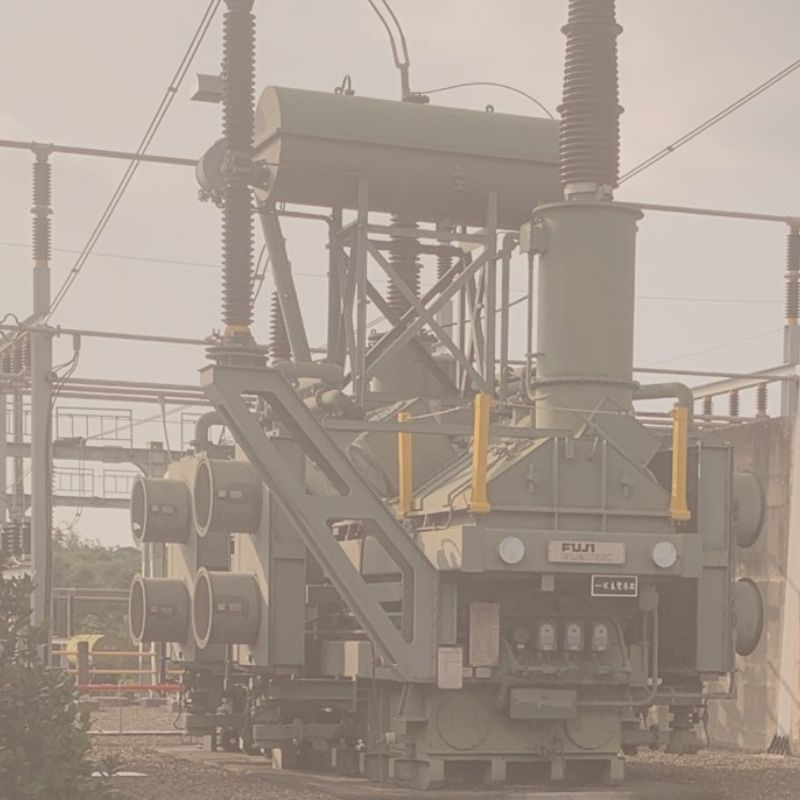
Partial Discharge Monitoring for Transformers
Partial discharge in transformers can indicate insulation weakness, winding issues, bushing defects or internal degradation. Monitoring supports condition-based maintenance and helps reduce the risk of costly transformer failure.
Partial Discharge Monitoring for GIS
Gas Insulated Switchgear can develop partial discharge due to particles, insulation defects, voids or installation issues. UHF and other monitoring techniques can help identify developing faults in sealed GIS systems before they become critical.
Partial Discharge Monitoring for Cables
Partial discharge monitoring for HV cables helps identify insulation defects, joint problems, termination issues and ageing-related deterioration. Early detection supports targeted maintenance and reduces the risk of cable failure.
Sensors and Monitoring Options
Partial discharge monitoring can use a range of sensor technologies, including TEV, ultrasonic, HFCT, UHF and acoustic sensors. We can help identify the most suitable monitoring approach based on asset type, risk profile and operational requirements.
UK Partial Discharge Survey Services
We provide UK partial discharge survey services to help assess the condition of HV assets and identify early signs of insulation deterioration. Surveys can support maintenance planning, risk reduction and decisions on permanent monitoring.
Ongoing Projects & Initiatives
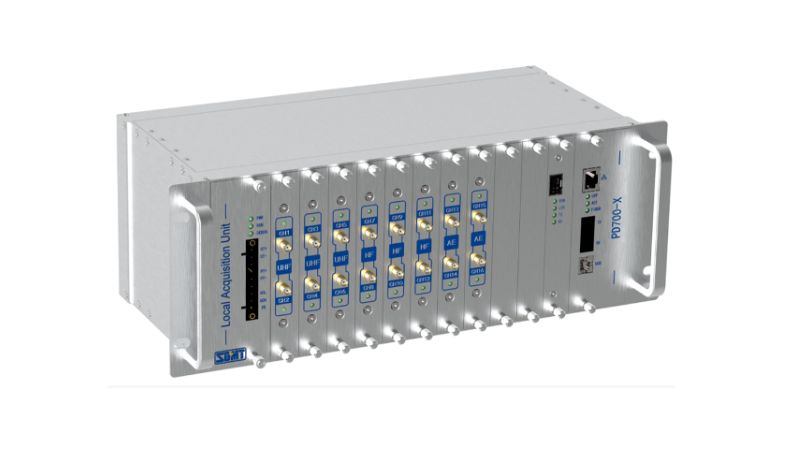
PD700X Modular High-Performance Partial Discharge Online Monitoring System
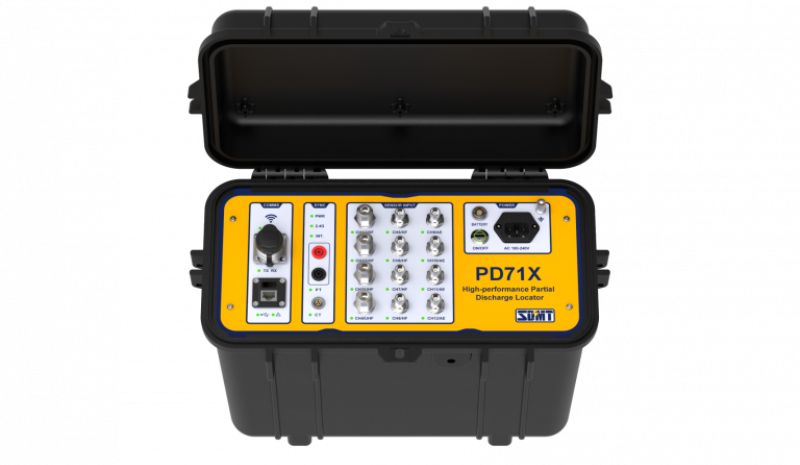
PD71X is a 12-channel portable multifunction tester used for real-time partial discharge diagnosis
"If you operate HV switchgear, transformers, GIS or cables, we can help you assess the most suitable partial discharge monitoring solution. Contact our team to discuss your assets risks and project requirements"
– PDM Alliance Team
Installing UHF sensors for partial discharge monitoring is a bit like fitting an early warning system to high-voltage equipment such as switchgear or transformers. The aim is to detect tiny electrical sparks inside the insulation long before they become a serious fault.
The process normally starts with engineers identifying the best locations on the equipment where these signals can be detected clearly. Once the equipment is safely isolated, the sensors are carefully fitted either inside the enclosure or onto dedicated mounting points on the outside.
After the sensors are in place, screened cables are run neatly back to a monitoring unit. This unit acts like the “brain” of the system, constantly listening for high-frequency signals created by partial discharge activity.
Finally, the system is tested to ensure the sensors are correctly picking up signals and that there is no unwanted electrical interference. On new installations, this provides a baseline of the current partial discharge state and lays the groundwork for continuous monitoring data during operation. With legacy equipment, it provides a snapshot of the current partial discharge condition, giving maintenance teams early warning of insulation deterioration so repairs can be planned before a failure occurs.
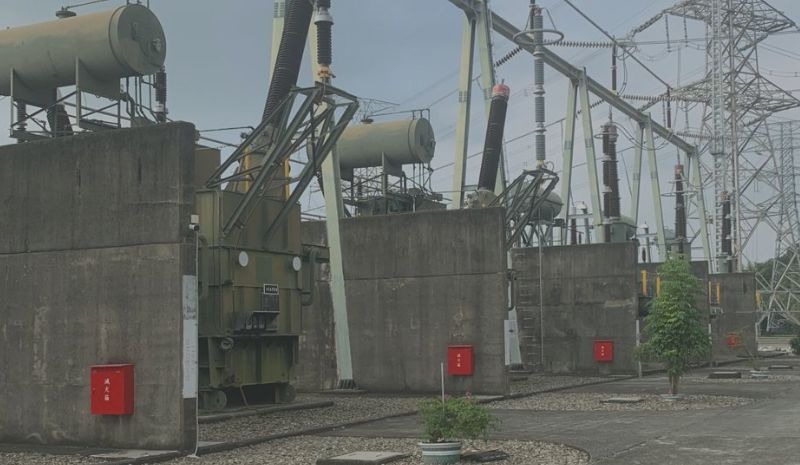
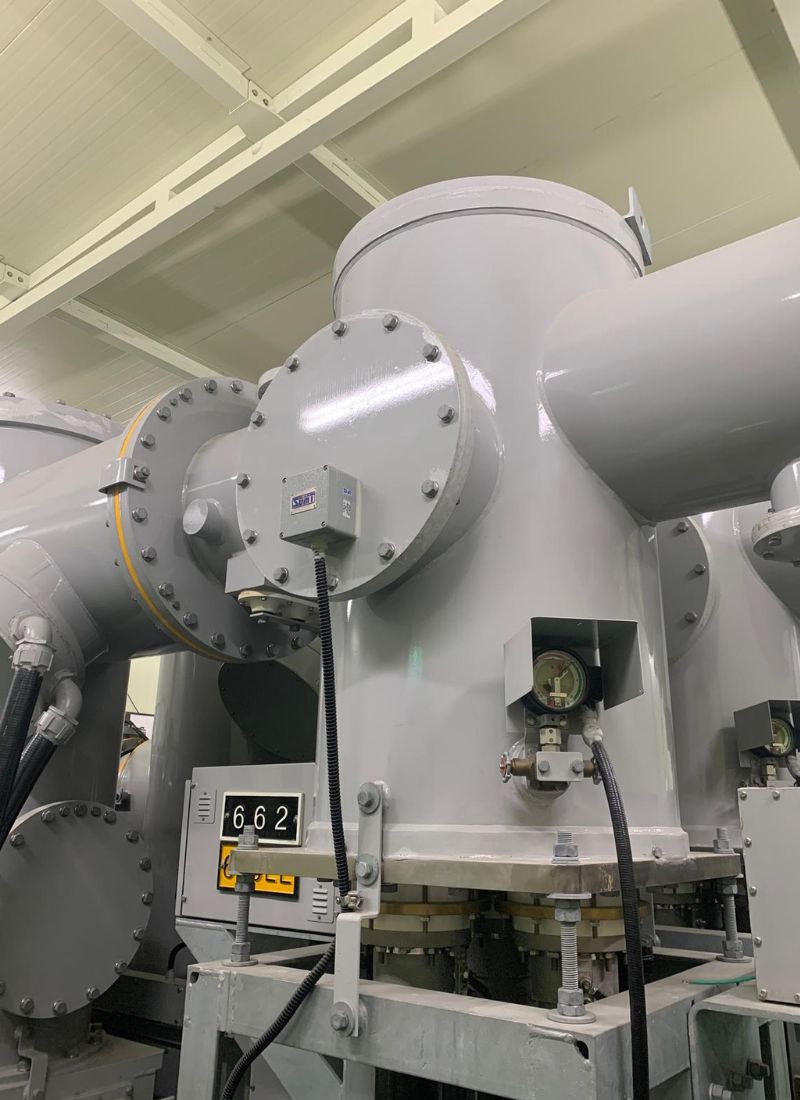
Gas Insulated Switchgear with UHF PD Sensors
Monitor Today. Avoid Downtime Tomorrow.
Reach out to us today!
Providing PD hardware, surveys, testing and monitoring services
PD Analysis and Insights
Data Review and Reporting
.